【Bug已解决】openclaw binary file detected / Cannot process binary file — OpenClaw 二进制文件检测失败解决方案
·
【Bug已解决】openclaw: "binary file detected" / Cannot process binary file — OpenClaw 二进制文件检测失败解决方案
1. 问题描述
在使用 OpenClaw 处理项目文件时,系统检测到二进制文件并拒绝处理,导致任务中断:
# 二进制文件检测失败 - 标准报错
$ openclaw "分析项目所有文件"
Error: Binary file detected
Cannot process binary file: assets/logo.png
File contains non-UTF-8 bytes at position 0

# 二进制文件导致编码错误
$ openclaw "读取这个文件"
Error: UnicodeDecodeError
'utf-8' codec can't decode byte 0x89 in position 0
File appears to be a binary file (PNG image)

# 二进制文件触发安全检查
$ openclaw "扫描整个目录"
Error: Binary file detected, skipping
Found NUL byte in file: dist/bundle.min.js
This file may be binary or minified

# 二进制文件导致流中断
$ openclaw "处理 src 目录"
Error: Stream interrupted
Binary content detected in file: node_modules/library/native.node
这个问题在以下场景中特别常见:
- 项目包含图片/字体/视频等二进制资源
- 构建产物(dist/build 目录)混入源码扫描范围
- node_modules 中的原生模块(.node 文件)
- 压缩文件或归档文件
- 含有 Unicode 特殊字符的源文件
- minified JS/CSS 被误判为二进制
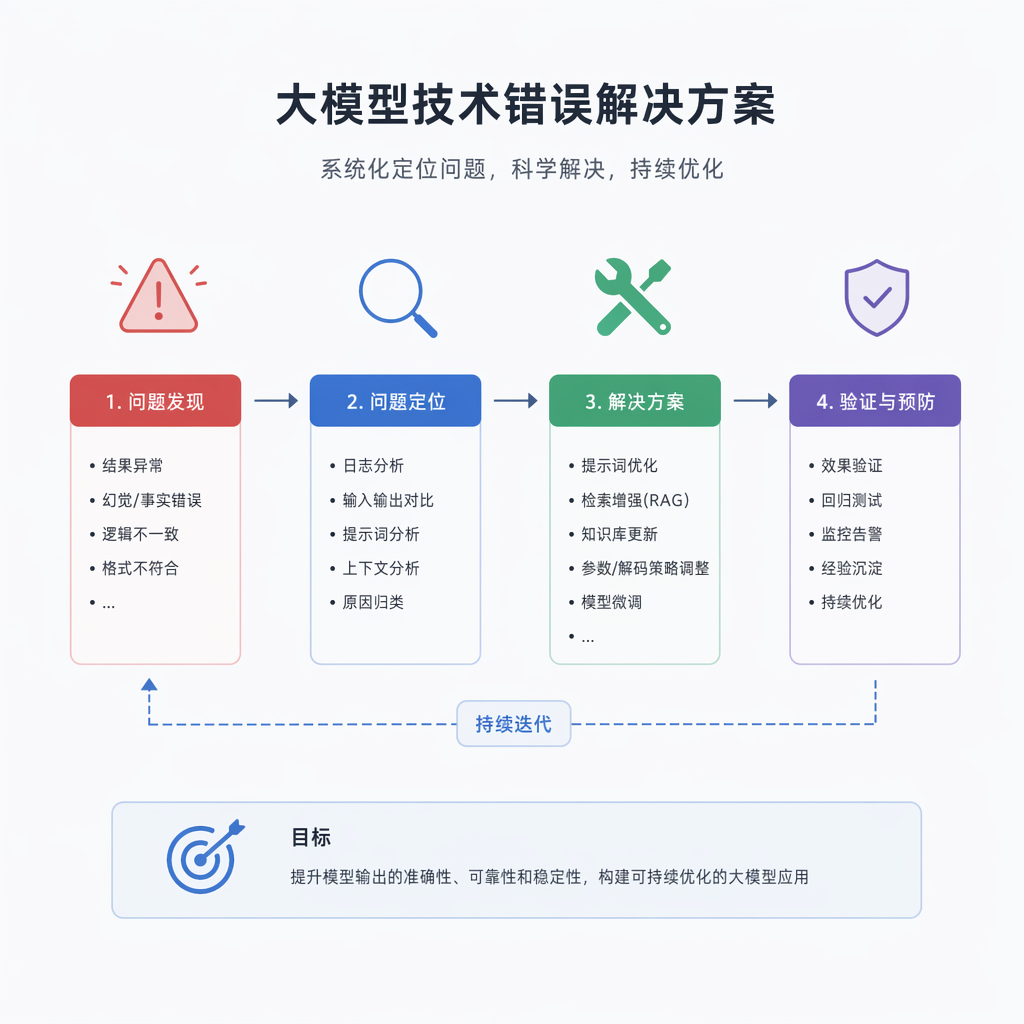
2. 原因分析
OpenClaw扫描文件
    ↓
读取文件前 N 字节 ←──── 检测是否为文本
    ↓
发现 NUL 字节或高比例非 ASCII ←──── 判定为二进制
    ↓
抛出 "Binary file detected" 错误
    ↓
停止处理当前文件
| 原因分类 | 具体表现 | 占比 |
|---|---|---|
| 图片/字体等资源文件 | .png/.jpg/.woff | 约 30% |
| 构建产物 | dist/ 或 build/ | 约 25% |
| 原生模块 | .node/.so/.dll | 约 15% |
| 压缩文件 | .zip/.gz/.tar | 约 10% |
| Minified 代码 | .min.js/.min.css | 约 10% |
| 特殊编码源文件 | UTF-16/GB2312 | 约 10% |
深层原理
OpenClaw 使用类似 Git 的二进制检测算法:读取文件的前 8000 字节,如果其中包含 NUL 字节(0x00),则判定为二进制文件。此外,如果非可打印 ASCII 字符的比例超过 30%,也会被判定为二进制。这种检测策略对大多数情况有效,但会误判一些特殊编码的文本文件(如 UTF-16 编码的文件前两个字节是 0xFF 0xFE 或 0xFE 0xFF,可能被误判)和高度压缩/Minified 的 JavaScript 文件。
3. 解决方案
方案一:配置文件类型排除规则(最推荐)
# 在 .openclaw/config.json 中配置排除规则
python3 -c "
import json
with open('.openclaw/config.json', 'r') as f:
    config = json.load(f)

config['ignorePatterns'] = [
    '*.png', '*.jpg', '*.jpeg', '*.gif', '*.ico',
    '*.svg', '*.woff', '*.woff2', '*.ttf', '*.eot',
    '*.mp4', '*.mp3', '*.webm', '*.webp',
    '*.zip', '*.gz', '*.tar', '*.rar', '*.7z',
    '*.node', '*.so', '*.dll', '*.dylib', '*.exe',
    '*.class', '*.jar', '*.pyc', '*.pyo',
    '*.pdf', '*.doc', '*.docx', '*.xls', '*.xlsx',
    'dist/**', 'build/**', 'out/**',
    'node_modules/**', '.git/**',
    '*.min.js', '*.min.css', '*.map'
]

config['binaryFileHandling'] = 'skip'  # 跳过二进制文件而非报错

with open('.openclaw/config.json', 'w') as f:
    json.dump(config, f, indent=2)
print('文件排除规则已配置: 跳过 ' + str(len(config['ignorePatterns'])) + ' 类文件')
"

# 也可以通过 .openclawignore 文件配置
cat > .openclawignore << 'EOF'
# 图片资源
*.png
*.jpg
*.jpeg
*.gif
*.ico
*.svg
*.webp

# 字体文件
*.woff
*.woff2
*.ttf
*.eot
*.otf

# 视频/音频
*.mp4
*.mp3
*.webm
*.wav
*.flv

# 压缩文件
*.zip
*.gz
*.tar
*.rar
*.7z

# 原生模块
*.node
*.so
*.dll
*.dylib

# 构建产物
dist/
build/
out/
*.min.js
*.min.css
*.map

# 依赖目录
node_modules/
vendor/

# 二进制可执行文件
*.exe
*.bin
*.dat
EOF

echo ".openclawignore 文件已创建"
方案二:使用文件过滤预处理
# 创建文件类型过滤脚本
import os
import mimetypes

def scan_project_files(root_dir, exclude_dirs=None, exclude_extensions=None):
    """扫描项目文件,过滤掉二进制文件"""
    if exclude_dirs is None:
        exclude_dirs = {'node_modules', '.git', 'dist', 'build', 'out', '__pycache__'}
    if exclude_extensions is None:
        exclude_extensions = {
            '.png', '.jpg', '.jpeg', '.gif', '.ico', '.svg', '.webp',
            '.woff', '.woff2', '.ttf', '.eot', '.otf',
            '.mp4', '.mp3', '.webm', '.wav',
            '.zip', '.gz', '.tar', '.rar', '.7z',
            '.node', '.so', '.dll', '.dylib', '.exe',
            '.class', '.jar', '.pyc', '.pyo',
            '.pdf', '.doc', '.docx', '.xls', '.xlsx',
        }

    text_files = []
    binary_files = []

    for dirpath, dirnames, filenames in os.walk(root_dir):
        # 排除指定目录
        dirnames[:] = [d for d in dirnames if d not in exclude_dirs]

        for filename in filenames:
            filepath = os.path.join(dirpath, filename)
            ext = os.path.splitext(filename)[1].lower()

            if ext in exclude_extensions:
                binary_files.append(filepath)
                continue

            # 进一步检测文件内容
            try:
                with open(filepath, 'rb') as f:
                    chunk = f.read(8000)
                    if b'\x00' in chunk:
                        binary_files.append(filepath)
                        continue

                    # 尝试 UTF-8 解码
                    try:
                        chunk.decode('utf-8')
                        text_files.append(filepath)
                    except UnicodeDecodeError:
                        # 尝试其他编码
                        try:
                            chunk.decode('gb2312')
                            text_files.append(filepath)
                        except UnicodeDecodeError:
                            binary_files.append(filepath)
            except Exception:
                binary_files.append(filepath)

    return text_files, binary_files

# 生成文件列表供 OpenClaw 使用
if __name__ == "__main__":
    text_files, binary_files = scan_project_files('.')

    # 保存文本文件列表
    with open('.openclaw/file_list.txt', 'w') as f:
        for filepath in text_files:
            f.write(filepath + '\n')

    print(f"文本文件: {len(text_files)} 个")
    print(f"二进制文件(已排除): {len(binary_files)} 个")
    print(f"文件列表已保存到 .openclaw/file_list.txt")
    print(f"\n使用: openclaw --files .openclaw/file_list.txt \"分析代码\"")
方案三:指定文件范围避免扫描二进制
# 明确指定要处理的文件或目录
openclaw --include "src/**/*.ts" --include "src/**/*.js" "分析源码"

# 排除特定目录
openclaw --exclude "dist/**" --exclude "node_modules/**" --exclude "assets/**" "分析项目"

# 只处理特定扩展名的文件
openclaw --include "*.py" --include "*.ts" --include "*.js" --include "*.java" "分析代码"

# 使用 --text-only 标志只处理文本文件
openclaw --text-only "分析项目"

# 通过管道传入文件列表
find . -name "*.ts" -o -name "*.js" -o -name "*.py" | grep -v node_modules | openclaw --stdin-files "分析这些文件"
方案四:转换特殊编码的源文件
# 检测文件编码
file -i src/config.js
# 输出示例: src/config.js: text/plain; charset=utf-16le

# 将 UTF-16 编码文件转换为 UTF-8
iconv -f UTF-16LE -t UTF-8 src/config.js > src/config_utf8.js
mv src/config_utf8.js src/config.js

# 批量转换 UTF-16 文件为 UTF-8
for f in $(find . -name "*.js" -exec file -i {} \; | grep utf-16 | cut -d: -f1); do
    echo "转换: $f"
    iconv -f UTF-16 -t UTF-8 "$f" > "$f.tmp" && mv "$f.tmp" "$f"
done

# 检测并转换 GB2312/GBK 编码的源文件
for f in $(find . -name "*.py" -exec file -i {} \; | grep -i "iso-8859\|unknown" | cut -d: -f1); do
    echo "尝试转换: $f"
    iconv -f GBK -t UTF-8 "$f" > "$f.tmp" 2>/dev/null && mv "$f.tmp" "$f" || rm "$f.tmp"
done
方案五:处理 Minified 文件误判
# Minified JS 文件可能因为高比例非 ASCII 被误判
# 检查文件是否是 minified 代码
file dist/bundle.min.js
# 如果输出 "ASCII text" 说明只是被误判

# 使用 prettier 格式化 minified 文件使其可被识别
npx prettier --write dist/bundle.min.js

# 或者配置 OpenClaw 提高二进制检测阈值
python3 -c "
import json
with open('.openclaw/config.json', 'r') as f:
    config = json.load(f)
config['binaryDetectionThreshold'] = 0.5  # 非ASCII比例超过50%才判定为二进制
config['allowMinifiedFiles'] = True       # 允许 minified 文件
config['maxLineLength'] = 5000            # 允许长行
with open('.openclaw/config.json', 'w') as f:
    json.dump(config, f, indent=2)
print('二进制检测阈值已调整为 50%,已允许 minified 文件')
"
方案六:自定义二进制文件处理策略
# 创建自定义文件处理器
cat > .openclaw/file_handler.py << 'EOF'
import os
import subprocess

class FileHandler:
    """自定义文件处理策略"""

    # 二进制文件类型的处理方式
    BINARY_HANDLERS = {
        '.png': 'describe_image',
        '.jpg': 'describe_image',
        '.jpeg': 'describe_image',
        '.gif': 'describe_image',
        '.svg': 'read_xml',           # SVG 是文本
        '.pdf': 'extract_text',       # 提取 PDF 文本
        '.docx': 'extract_text',
        '.zip': 'list_contents',      # 列出压缩包内容
        '.gz': 'list_contents',
        '.tar': 'list_contents',
    }

    @classmethod
    def handle_file(cls, filepath):
        """根据文件类型选择处理方式"""
        ext = os.path.splitext(filepath)[1].lower()
        handler = cls.BINARY_HANDLERS.get(ext, 'skip')

        if handler == 'skip':
            return None
        elif handler == 'read_xml':
            with open(filepath, 'r') as f:
                return f.read()
        elif handler == 'extract_text':
            return cls.extract_text(filepath, ext)
        elif handler == 'list_contents':
            return cls.list_archive_contents(filepath, ext)
        elif handler == 'describe_image':
            return f"[图片文件: {filepath}]"
        return None

    @staticmethod
    def extract_text(filepath, ext):
        """从二进制文档中提取文本"""
        if ext == '.pdf':
            result = subprocess.run(['pdftotext', filepath, '-'],
                                   capture_output=True, text=True)
            return result.stdout[:5000] if result.stdout else None
        elif ext in ('.docx', '.xlsx'):
            # 使用 python-docx 或类似工具
            return f"[文档文件: {filepath}]"
        return None

    @staticmethod
    def list_archive_contents(filepath, ext):
        """列出压缩包内容"""
        if ext in ('.zip',):
            result = subprocess.run(['unzip', '-l', filepath],
                                   capture_output=True, text=True)
            return result.stdout
        elif ext in ('.tar', '.gz'):
            result = subprocess.run(['tar', '-tf', filepath],
                                   capture_output=True, text=True)
            return result.stdout
        return None

# 使用示例
if __name__ == "__main__":
    import sys
    if len(sys.argv) > 1:
        result = FileHandler.handle_file(sys.argv[1])
        if result:
            print(f"处理结果: {result[:200]}")
        else:
            print("文件已跳过")
EOF

echo "自定义文件处理器已创建"
4. 各方案对比总结
| 方案 | 适用场景 | 推荐指数 |
|---|---|---|
| 方案一:配置排除规则 | 通用场景 | ⭐⭐⭐⭐⭐ |
| 方案二:文件过滤预处理 | 精确控制范围 | ⭐⭐⭐⭐ |
| 方案三:指定文件范围 | 临时处理 | ⭐⭐⭐⭐ |
| 方案四:转换编码 | 特殊编码文件 | ⭐⭐⭐ |
| 方案五:处理 Minified | 前端项目 | ⭐⭐⭐ |
| 方案六:自定义处理器 | 高级需求 | ⭐⭐⭐ |
5. 常见问题 FAQ
5.1 Windows 上二进制文件检测与 Linux 行为不一致
Windows 系统中 CRLF 换行符和 UTF-16 BOM 头可能影响检测:
# 检查文件编码
$file = "src\config.js"
$bytes = [System.IO.File]::ReadAllBytes($file)
# 检查 BOM
if ($bytes[0] -eq 0xFF -and $bytes[1] -eq 0xFE) {
    Write-Host "UTF-16 LE 编码,需要转换"
    $content = [System.IO.File]::ReadAllText($file, [System.Text.Encoding]::Unicode)
    [System.IO.File]::WriteAllText($file, $content, [System.Text.UTF8Encoding]::new($false))
    Write-Host "已转换为 UTF-8"
}

# 使用 git 自动处理换行符
git config --global core.autocrlf input
5.2 Docker 容器中缺少 file 命令导致检测异常
精简的 Docker 镜像可能缺少 file 命令:
# 在 Dockerfile 中安装必要工具
FROM node:18-slim
RUN apt-get update && apt-get install -y file && rm -rf /var/lib/apt/lists/*

# 或者使用纯 Python 检测替代 file 命令
# 在配置中设置
# config['usePythonDetector'] = True
5.3 CI/CD 中 node_modules 导致大量二进制文件报错
CI 环境中 node_modules 可能包含原生模块:
# GitHub Actions - 安装依赖后清理二进制文件
steps:
  - name: Install and clean
    run: |
      npm ci
      # 清理 .node 文件
      find node_modules -name "*.node" -delete
      # 或者直接在配置中排除
      echo "node_modules/" >> .openclawignore
5.4 项目中有大量 .svg 文件被误判为二进制
SVG 本质是 XML 文本,但可能因包含特殊字符被误判:
# 检查 SVG 文件是否真的是文本
file -i assets/icon.svg
# 如果显示 text/xml 说明是文本

# 在配置中将 SVG 加入文本文件白名单
python3 -c "
import json
with open('.openclaw/config.json', 'r') as f:
    config = json.load(f)
config['textFileExtensions'] = config.get('textFileExtensions', [])
config['textFileExtensions'].extend(['.svg', '.xhtml', '.xaml', '.resx'])
with open('.openclaw/config.json', 'w') as f:
    json.dump(config, f, indent=2)
print('SVG 已加入文本文件白名单')
"

# 或者强制 OpenClaw 将 SVG 当作文本处理
openclaw --force-text "*.svg" "分析 SVG 文件"
5.5 二进制文件检测后任务中断,之前的结果丢失
OpenClaw 遇到二进制文件可能直接中断整个任务:
# 配置为跳过而非中断
python3 -c "
import json
with open('.openclaw/config.json', 'r') as f:
    config = json.load(f)
config['binaryFileHandling'] = 'skip_silent'  # 静默跳过
config['continueOnError'] = True               # 遇到错误继续
config['errorReportMode'] = 'summary'          # 只在最后报告
with open('.openclaw/config.json', 'w') as f:
    json.dump(config, f, indent=2)
print('已配置: 遇到二进制文件静默跳过,继续处理其他文件')
"

# 验证配置生效
openclaw --config | grep -i binary
5.6 企业项目中二进制证书文件被扫描
企业项目可能包含 .pfx .key .pem 等证书文件:
# 在 .openclawignore 中排除证书文件
cat >> .openclawignore << 'EOF'

# 证书和密钥文件
*.pfx
*.key
*.pem
*.crt
*.cer
*.der
*.p12
*.jks
EOF

# 同时确保这些文件不会被泄露给 AI
# 配置安全排除
python3 -c "
import json
with open('.openclaw/config.json', 'r') as f:
    config = json.load(f)
config['securityExcludePatterns'] = config.get('securityExcludePatterns', [])
config['securityExcludePatterns'].extend([
    '*.pfx', '*.key', '*.pem', '*.crt', '*.cer', '*.der', '*.p12', '*.jks',
    '.env', '.env.*', 'credentials*', 'secrets*'
])
with open('.openclaw/config.json', 'w') as f:
    json.dump(config, f, indent=2)
print('安全排除规则已配置')
"
5.7 大型二进制文件导致内存问题
即使跳过二进制文件,大文件的检测过程本身也可能消耗内存:
# 限制文件检测大小
python3 -c "
import json
with open('.openclaw/config.json', 'r') as f:
    config = json.load(f)
config['maxFileSize'] = 10485760  # 10MB,超过此大小直接跳过
config['skipLargeFiles'] = True
config['largeFileThreshold'] = 5242880  # 5MB
with open('.openclaw/config.json', 'w') as f:
    json.dump(config, f, indent=2)
print('文件大小限制已设置: 超过10MB直接跳过')
"

# 预先清理大文件
find . -size +10M -not -path "./node_modules/*" -not -path "./.git/*" | head -20
5.8 团队协作中二进制文件排除规则不统一
团队成员可能使用不同的排除规则导致结果不一致:
# 将 .openclawignore 加入版本控制
git add .openclawignore
git commit -m "添加 OpenClaw 文件排除规则"

# 将配置模板加入项目
cat > .openclaw/config.template.json << 'EOF'
{
  "binaryFileHandling": "skip_silent",
  "ignorePatterns": [
    "*.png", "*.jpg", "*.jpeg", "*.gif", "*.ico", "*.svg",
    "*.woff", "*.woff2", "*.ttf", "*.eot",
    "*.zip", "*.gz", "*.tar",
    "*.node", "*.so", "*.dll",
    "dist/", "build/", "node_modules/"
  ]
}
EOF

git add .openclaw/config.template.json
git commit -m "添加 OpenClaw 配置模板"

# 团队成员只需从模板创建配置
# cp .openclaw/config.template.json .openclaw/config.json
排查清单速查表
□ 1. 检查 .openclawignore 文件是否存在且配置完整
□ 2. 确认 config.json 中 binaryFileHandling 设置为 skip
□ 3. 排除 node_modules/dist/build 等目录
□ 4. 检查项目中是否有特殊编码文件(file -i)
□ 5. 确认 SVG 等文本格式未被误判为二进制
□ 6. 检查 minified 文件是否需要格式化
□ 7. 设置 continueOnError 为 true 避免任务中断
□ 8. 配置 maxFileSize 限制大文件检测
□ 9. 验证排除规则:openclaw --list-files
□ 10. 将 .openclawignore 加入版本控制
6. 总结
- 最常见原因:项目包含图片/字体/构建产物等二进制资源(30%),OpenClaw 默认不支持处理
- 核心解决:配置
.openclawignore文件排除二进制文件类型和构建目录 - 编码问题:UTF-16/GB2312 编码的源文件可能被误判,需要用
iconv转换为 UTF-8 - Minified 文件:压缩后的 JS/CSS 可能被误判,可通过调整检测阈值或格式化解决
- 最佳实践建议:将
.openclawignore和配置模板纳入版本控制,确保团队统一的文件排除规则
故障排查流程图
flowchart TD
    A[二进制文件检测失败] --> B[检查文件类型]
    B --> C[file -i 查看编码]
    C --> D{是否真正二进制?}
    D -->|是| E[配置排除规则]
    D -->|否| F[编码或格式问题]
    E --> G[创建 .openclawignore]
    G --> H[配置 ignorePatterns]
    H --> I[设置 binaryFileHandling=skip]
    I --> J[openclaw 测试]
    F --> K{编码问题?}
    K -->|是| L[iconv 转换为 UTF-8]
    K -->|否| M{Minified文件?}
    L --> J
    M -->|是| N[调整检测阈值或格式化]
    M -->|否| O[SVG等文本加入白名单]
    N --> J
    O --> J
    J --> P{成功?}
    P -->|是| Q[✅ 问题解决]
    P -->|否| R[使用文件过滤脚本]
    R --> S[生成文本文件列表]
    S --> T[openclaw --files list]
    T --> Q
    Q --> U[将配置纳入版本控制]
    U --> V[✅ 长期方案]

CANN开发者社区旨在汇聚广大开发者,围绕CANN架构重构、算子开发、部署应用优化等核心方向,展开深度交流与思想碰撞,携手共同促进CANN开放生态突破!
更多推荐
 1
1 0
0- 0



 已为社区贡献22条内容

所有评论(0)